
Ethical Grounding Series: Part Two—Staying human in conflict.
There is a moment unfolding in our world right now.
Not in theory. Not in reflection. In real time.
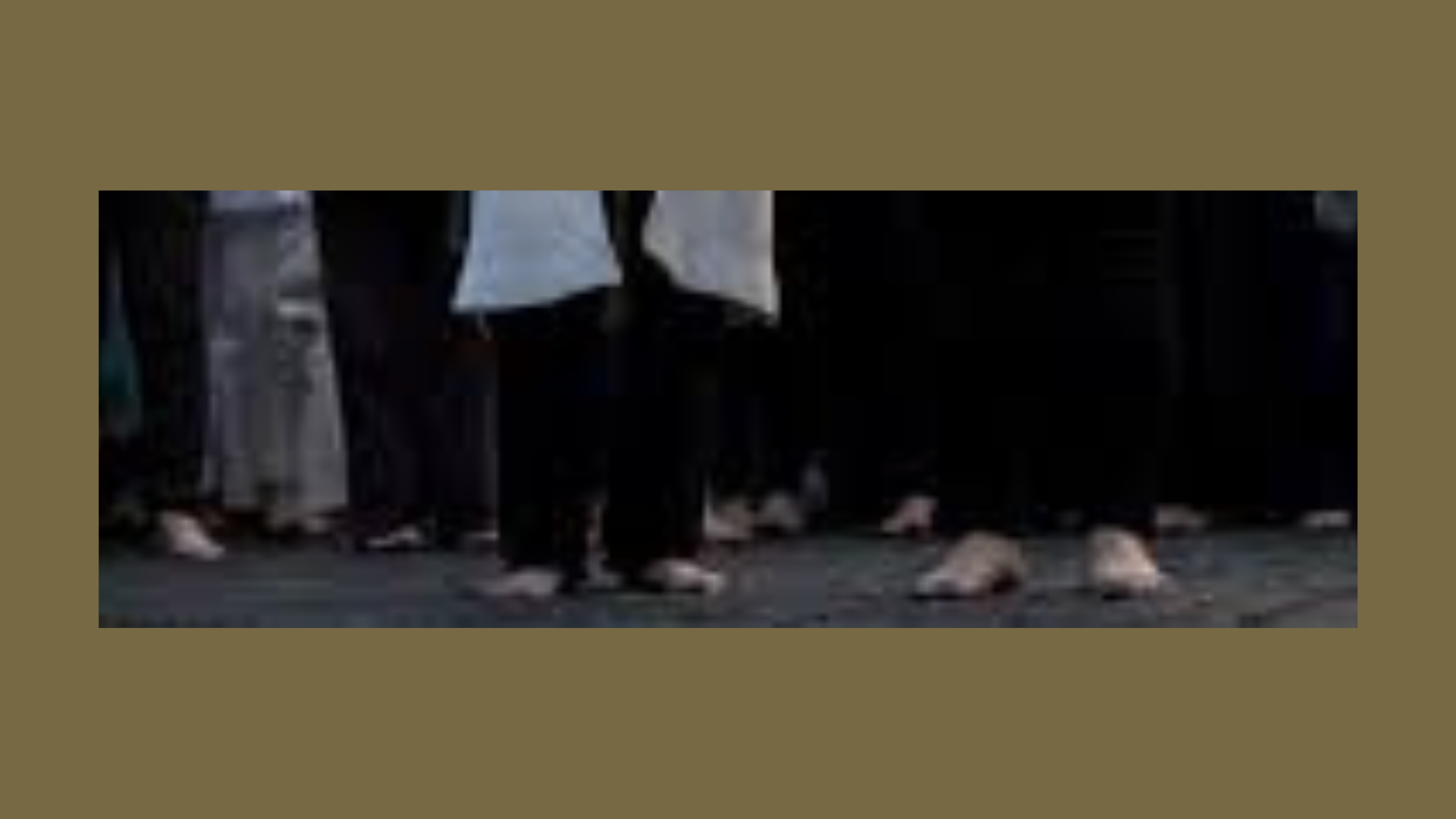
As war escalates and suffering deepens, two women—one Palestinian, one Israeli—walked together in Rome.
Barefoot.
Reem Al-Hajajreh and Yael Admi walked side by side, leading others in a simple, unguarded plea:
“Let the call of the mothers lead us home.”
This is not a symbolic gesture removed from reality.
It is happening in the midst of it.
In a time when power structures are hardening. When narratives are tightening. When fear is organizing people into sides.
And in that same moment— something else is rising.
Not louder.
But deeper.
They walk barefoot.
Their feet meeting the ground directly.
No barrier.
No protection from what is there.
The earth is not softened for them.
The conditions are not resolved.
The conflict is not gone.
And still, they walk.
There is something profoundly honest in this. Not a denial of pain. Not an attempt to rise above it.
But a willingness to remain in contact with it.
To feel what is real— in the body.
The ground may be hard.
Unforgiving.
Uncertain.
And yet, they do not turn away.
This is not the strength of domination.
It is not the strength of certainty.
It is the strength to remain human in the midst of what is trying to divide.
And yet, it is important to name this as well:
Acts like this are not always welcomed.
These women have been called traitors.
Not because they lack love for their people—but because they are stepping beyond the structures that define belonging through opposition.
In times of deep collective trauma, protection often takes the form of separation.
To reach toward the “other” can be perceived as a threat.
This is the tension we are living inside of.
And this is what makes this moment so significant.
Because it is not happening in ease.
It is happening in the midst of pressure.
This is what gives it weight.
Not perfection.
Not resolution.
But presence.
There is something ancient in what they are invoking.
A knowing that life must be protected.
That children must be held.
That the continuation of life matters more than the perpetuation of harm.
And that this knowing does not belong to one side.
It lives in the body.
Perhaps this is what it means to stay grounded in a time like this.
Not to withdraw from what is happening.
Not to harden in response to it.
But to remain in contact.
To feel the ground beneath us.
To allow tenderness and strength to coexist.
And to ask, quietly but seriously:
What would it mean to let something deeper than fear guide our next step?
If you’d like support in bringing these reflections into lived practice, I share guided meditations, seasonal rituals, and deeper explorations within my Patreon space, Seasonal Hearth.
It’s a quiet place to return to yourself—again and again. You’re warmly invited to join us there.
Ethical Grounding is the practice of staying human—within ourselves, in relationship, and in the systems we shape.