
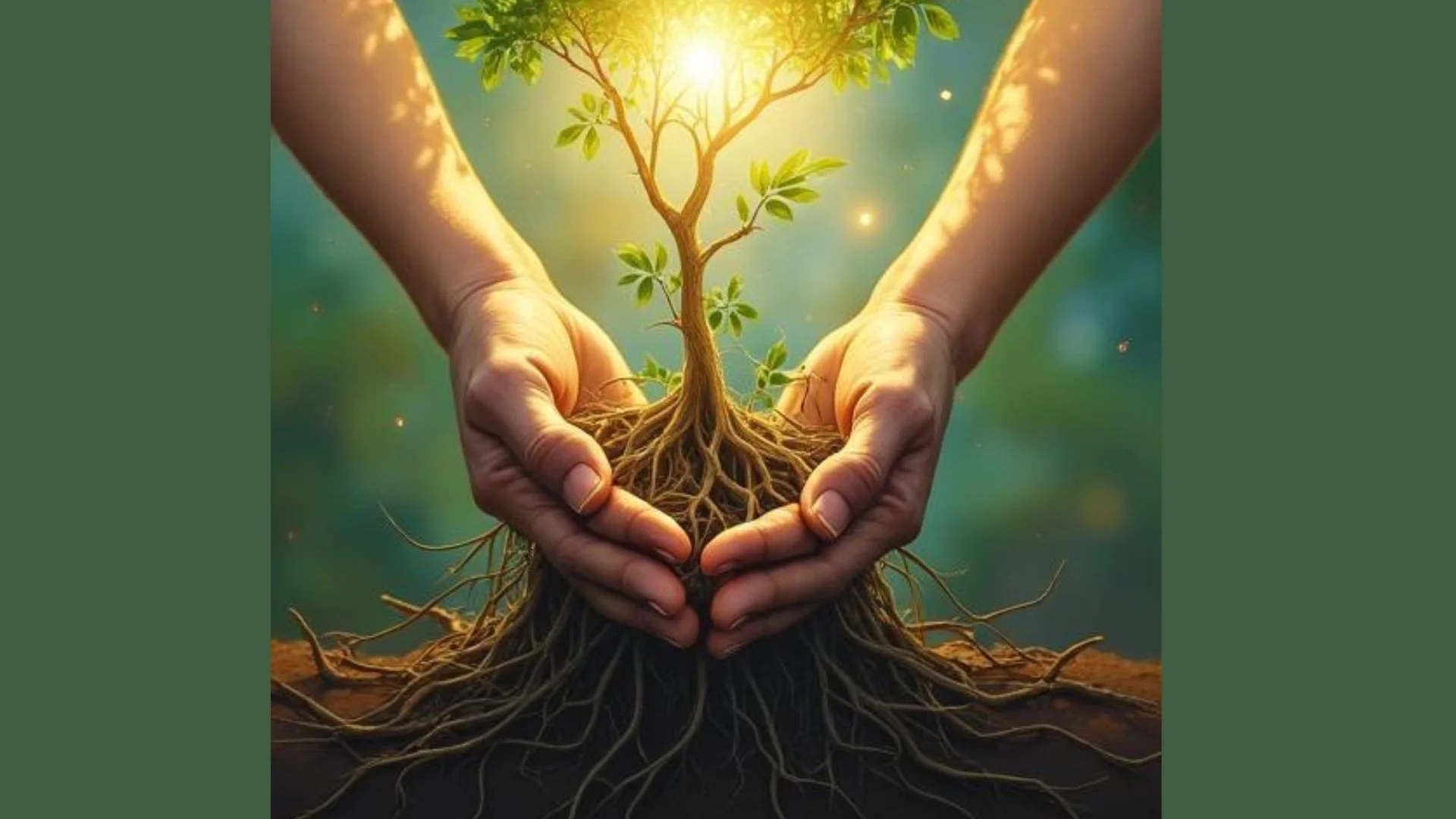
There is a feeling many people are carrying right now… and a quiet question beneath it: what is mine to tend?
It shows up in different ways—frustration, grief, anger, fatigue. Sometimes it is quiet. Sometimes it rises quickly. Often, it comes with a sense of not knowing what to do with it.
We might call it outrage. Or concern. Or simply a deep recognition that something is not right.
This feeling is not a problem.
It is a signal.
What Outrage Is Pointing To
Outrage often arises when something we value is being threatened or violated.
Care for human life.
Care for fairness.
Care for truth, for land, for the well-being of future generations.
When these values are strained—through conflict, through division, through systems that feel misaligned—our response is not indifference. It is activation.
The challenge is not that we feel this. The challenge is what happens next.
From Reaction to Response
Without grounding, outrage can quickly become:
blame
polarization
exhaustion
a sense of helplessness
We see this in public discourse, in media, and sometimes in our own conversations. But when outrage is held with awareness—when it is met with breath, with embodiment, with reflection—it can become something else. It can become clarity.
A clearer sense of what matters.
A deeper connection to our values.
A more grounded understanding of where we might place our attention and energy.
Right-Sized Action
One reason people feel overwhelmed is the scale of what we face.
Global conflict.
Large systems.
Entrenched patterns.
It can feel as though nothing we do will make a difference. But meaningful action does not begin at the global level. It begins where we are.
In our communities.
In our relationships.
In the choices available to us each day.
Right-sized action might look like:
supporting local farms and businesses
participating in community dialogue with respect and curiosity
staying informed without becoming consumed
caring for our own nervous systems so we can stay engaged over time
These actions may seem small. But they are not insignificant. They are how resilience is built—steadily, collectively, over time.
Community as the Ground of Change
In a small town, we are closer to one another than we sometimes realize.
We share spaces.
We cross paths.
We depend on many of the same systems and relationships.
This proximity is not a limitation. It is a strength.
Because change does not only happen through large institutions.
It happens through:
how we speak with one another
how we support local efforts
how we show up in moments of tension
how we choose to remain in relationship, even when it is not easy
Leadership in Everyday Life
When leadership at larger levels feels fragmented or divisive, it becomes even more meaningful to consider how we lead in our own lives.
Not through authority—but through presence.
Through the tone we set.
The care we bring.
The steadiness we cultivate.
This is not about being perfect or always knowing the right thing to say or do.
It is about practicing:
listening before reacting
choosing connection over escalation
allowing space for complexity without withdrawing
This kind of leadership is often quiet.
But it is deeply influential.
Closing
In Part 1, we considered how we stay grounded; in Part 2, what is possible; and in Part 3, what is ours to do?
The answer may not be large or immediate.
It may begin with something simple:
A conversation.
A choice.
A moment of pause instead of reaction.
A step toward supporting what we value.
Outrage does not have to lead to division. It can become a source of clarity, a catalyst for connection,
and a guide toward the kind of community we want to help shape.
We begin where we are.
And from there, something new—quietly, steadily—can grow.